
I am a soil scientist at ISRIC - World Soil Information working on soil fertility, sustainable land management, and spatial soil information products. My expertise includes soil chemistry, statistical modelling, and spatial data analysis. My work has also focused on micronutrients in soils, their concentrations in staple crops, and the implications for dietary supply of essential micronutrients for human health. Previously, I worked at the University of Nottingham in the UK, and at ETH Zurich and Eawag in Switzerland.
- Building African Union Soil oservatory

Adrián Cánovas-Rodríguez received his Bachelor's degree in Computer Engineering from the University of Murcia. He later obtained a Master's degree in New Information Technologies from the same university, where he is currently pursuing a Ph.D. in Computer Science.
His research focuses on the application of artificial intelligence to environmental and agricultural domains. He currently works as a Ph.D. student and researcher on the OSIRIS project. Previously, he participated in the ATLAS project, which focused on the development of intelligent control devices to improve irrigation efficiency, integrated with satellite-based monitoring technologies.
- Satellite-Based Assessment and Neural Network Prediction of Desertification Risk in Mediterranean Agricultural Landscapes
Senior data scientist with 5+ years of experience in software development, machine learning, statistical modelling, and remote sensing (RS) imagery. Proficient in generating advanced statistical & machine learning models, maintaining ML pipelines, programming, cloud computing and leading multidisciplinary projects. Currently working with Seqana GmbH, a SOC MRV company located in Berlin, Germany.
- A comparison of DSM-based SOC stock estimators: Uncertainty reductions and practical insights
- Green Earth Program – Earth Observation-Supported Soil Rehabilitation in Drylands using Biological Soil Crusts

Agricultural Engineer and Master in Mediterranean Greenhouse Horticulture from the University of Almería (Spain), with experience in research and development of horticultural crops, agronomic trials and varietal evaluation in field and greenhouse environments. I have worked on projects related to genetic improvement, phytosanitary and biostimulants, collaborating with multidisciplinary teams. I am currently part of the European project NEMESIS (Soil Health Living Lab Network for Combating Desertification in the Mediterranean), focused on the fight against desertification and improving soil health in the Mediterranean region through Living Labs and applied innovation.
- Satellite-Based Assessment and Neural Network Prediction of Desertification Risk in Mediterranean Agricultural Landscapes
Astrid Sneyders is a PhD student at KU Leuven, Belgium, within the research group EDAPHOS. Her doctoral research is conducted within the Horizon Europe SOB4ES project, and focuses on the drivers of soil organic carbon stocks and soil health indicators across European soils. Her broader research interests include soil biodiversity, carbon cycling, and the development of scalable methods for large-scale soil health assessment.
- SOB4C: The relative importance of biotic and abiotic drivers of soil carbon stocks at the European scale
This proposal will be presented by Rasime Demirel. I am a senior-year student in the Department of Biology, Faculty of Science, at Eskişehir Technical University, and I contributed to the studies on the microfungi associated with hop (Humulus lupulus) plants within this research.
I hereby confirm my approval for Ms. Rasime Demirel to deliver the presentation of this proposal.
- Living Lab for Sustainable HOP Agroecosystem Health Monitoring Through Soil and Plant Microfungal Indicators
- Building African Union Soil oservatory

I am a soil scientist with expertise in geospatial analysis, Earth Observation, and proximal sensing technologies, focusing on monitoring soil health indicators. I have a PhD in Ecology and a strong background in forest engineering and environmental sciences. I am experienced in developing operational workflows for environmental monitoring, skilled in multi-source data integration, EO analytics, and geospatial modeling, with applications in land monitoring, sustainability, and decision support. Passionate about transforming complex environmental data into actionable insights, I thrive in international, cross-disciplinary environments and contribute to solutions in sustainable land-use management, climate tech, precision agriculture, environmental consulting, and MRV for sustainability and carbon farming.
- A comparison of model performances and uncertainty of soil remote sensing products calibration for large-scale carbon farming accounting
Céline Laurent is a postdoc working at the Free University of Bolzano, on the ECHO project. She works in the field of soil science with a focus on biogeochemistry, soil contamination by trace metals, and soil health. She currently studies soil health indicators through citizen science approach under the ECHO project (https://echosoil.eu/).
- Advancing soil monitoring through citizen science-generated data
- Building African Union Soil oservatory
Land-water systems scientist working within the Land, Soil & Coast team at the UK Centre for Ecology & Hydrology. Specialised in applying GIS, modelling and analysis of environmental data, particularly large-scale, long-term monitoring, as well as spatial data on climate, land cover, soils and terrain in support of project teams across UKCEH and externally. Key areas of interest include soil health and land degradation, nutrient and sediment fluxes between land and water, and spatial modelling of ecosystem services to support the restoration and management of natural resources.
- Deriving spatially explicit tolerable soil loss rates from a global synthesis of soil production rates
PhD candidate at the department of Electrical & Computer Engineering, Faculty of Engineering in Aristotle University of Thessaloniki, Greece. Machine learning Engineer in the Laboratory of Remote Sensing, Spectroscopy and Geographic Information Systems, School of Agriculture, Aristotle University of Thessaloniki, Greece. Focus in semi-supervised learning, deep learning, graph/hypergraph neural networks, spatio-temporal modeling.
- A Multi-View Hypergraph Convolutional Network for Joint SOC and Clay Prediction from Sentinel-2 Imagery
- SOC enrichment and GHG mitigation in Greek Mediterranean vineyard

Dr. Darshani Kumaragamage is a Professor at the Department of Environmental Studies and Sciences, University of Winnipeg, Canada. Her research interests include sustainable soil management and mitigating the environmental impacts of fertilizers and animal manure under different climatic and management scenarios. She has an active research program at the University of Winnipeg focusing on reducing phosphorus loadings to Lake Winnipeg and other water bodies through better agricultural management practices.
- Selecting Phytoremediation Strategies for Acidic Boreal Forest Soils: A Comparison of Chelator-Assisted Phytoextraction and Biochar-Assisted Phytostabilization Across Contamination Levels

Dimitra Palantza is a Scientific Associate at i-BEC and Aristotle University of Thessaloniki, holding a BSc in Geology and an MSc in Physical and Environmental Geography. She specializes in soil science and environmental monitoring, with research interests focused on remote sensing, soil pcience, erosion processes, environmental assessment, and sustainable land management.
Within i-BEC, she is actively involved in data analysis and interpretation, the application of geospatial and Earth Observation techniques, and the preparation of scientific and technical reports, contributing to evidence-based approaches for environmental sustainability. Her work is closely linked to EU-funded HORIZON projects, supporting the development and implementation of harmonised monitoring frameworks and innovative methodologies for soil and environmental assessment.
She is a data-driven professional with an interdisciplinary background spanning physical geography, environmental sciences, soil science, and erosion processes, complemented by strong foundations in the social sciences. This interdisciplinary profile enables her to address complex environmental challenges by integrating biophysical data with policy-relevant and socio-environmental perspectives.
- Building the MRV4SOC Knowledge Hub: An Interoperable Digital Platform for Soil Monitoring, Data Integration, and Open Science
- LandPrint: Mapping the Human Imprint on Soil Health Drivers, Costs, and Solutions Across Europe
- LandPrint: Mapping the Human Imprint on Soil Health Drivers, Costs, and Solutions Across Europe

Data Science Lead at Seqana, with a strong focus on statistical methods for SOC monitoring, uncertainty quantification, and digital soil mapping. Co-author of the "SOC Model Requirements and Guidelines" published by The Gold Standard, and technical contributor to Verra's VM0042 version 3.0 draft. PhD in computer science.
- A comparison of DSM-based SOC stock estimators: Uncertainty reductions and practical insights
- Sample Size Requirements for Carbon Farming Projects with Baseline Control Sites
Science and Program Manager at Varda Foundation, leading projects across Europe and sub-Saharan Africa at the intersection of soil science, data, and digital innovation. Background in agriculture and land management, specialised in soil chemistry, biology, and ICT for development. Focused on transforming complex information into accessible, practical tools and passionate about open data as a driver of collaboration and equitable environmental solutions.
- SoilHive: An Open-Source Platform for Global Soil Data Harmonisation
- Shaping NextSoils+ Soil Health Services with Stakeholders for the Sentinel Expansion Missions

Cristina Fiera is a Senior Researcher at the Institute of Biology Bucharest, Romanian Academy, Romania. Her research focuses on soil biodiversity, soil ecology, and the role of soil organisms, particularly Collembola, in ecosystem functioning and soil health assessment. She has extensive experience in the taxonomy and ecology of Collembola and other soil fauna, as well as in biodiversity monitoring across natural and managed ecosystems. Cristina is involved in several European research projects, including Horizon Europe initiatives such as SOB4ES, addressing soil biodiversity, ecosystem services, and sustainable land management. Her current work explores the use of soil biological indicators to support the implementation of the EU Soil Strategy and Mission Soil objectives.
- Assessing Soil Health Across Europe Using Collembola Diversity Indicators
Georgios Chatzichristos is an adjunct lecturer in the Political Sciences Department of the Aristotle University of Thessaloniki. He is the coordinator and AUTH principal investigator of the following Horizon Europe projects: a) LandPrint [101297309] Mapping The Human Imprint: Drivers, Costs, And Solutions For Soil Health Across Europe; b) ASSETS [GA: 101177874] Advancements in Social Economy through Technological Solutions. His research focuses on rural development, social innovation, social economy and qualitative research. He studied Economics at the University of Macedonia. He completed his postgraduate studies in Political Theory (MSC) at the London School of Economics and Political Science (LSE) and in Philosophy (MA) at King’s College London (KCL). He received his PhD from the University of the Aegean as a Marie Curie ITN Scholar of the European Union in the RurAction programme [GA: 721999].
- LandPrint: Mapping the Human Imprint on Soil Health Drivers, Costs, and Solutions Across Europe
I hold a degree in Electrical and Computer Engineering from the University of Thessaly, Greece. I am currently working as a Software Engineer and Machine Learning/Deep Learning Engineer, specializing in the development of advanced artificial intelligence solutions for Earth observation and remote sensing applications. My expertise includes the design and implementation of deep learning architectures and neural networks for crop type classification using satellite and geospatial data.
- Deep Learning-Based Crop Type Classification Using Multitemporal Sentinel-2 Data
Haris Ampas is a PhD candidate in Deep Learning for Earth Observation at the Department of Applied Informatics, University of Macedonia, Greece. He holds a B.Sc. in Mathematics from the University of Ioannina, an M.Sc. in Environmental Design and Natural Resources Management from the Democritus University of Thrace, and an M.Sc. in Applied Informatics from the University of Macedonia. His research focuses on Earth observation, hyperspectral remote sensing, edge AI, spectral unmixing, and deep learning for geospatial applications.
- UAV-Based Hyperspectral SOC Mapping Using a Tunable Fabry-Pérot Imager and Machine Learning
PhD candidate at Stockholm University specializing in in-situ methods for soil health assessment, including soil spectroscopy, infiltration measurements, and eDNA analysis. My research focuses on integrating biological, physical, and chemical indicators of soil systems, with a strong interest in scaling these approaches for broader environmental and agricultural applications. I am particularly interested in advancing sustainable soil management and translating soil science knowledge into practical solutions for agricultural systems.
- Application of Portable NIR Spectroscopy and Machine Learning for Soil Health Assessment in Swedish Grassland

2010 – Present Centre for Ecology and Hydrology, Bangor, Gwynedd
Environmental/soil chemist
2008 – 2009 University of the West Indies, Trinidad
Lecturer, Soil and Environmental Chemistry
2005 - 2008 Stanford University, USA
Consulting faculty
2004 - 2005 Utah State University, USA
Assistant Research Professor
1998 - 2004 University of California, Riverside/USDA Salinity Laboratory, USA
Assistant Research Scientist III
1992 - 1998 University of California, Riverside/USDA Salinity Laboratory, USA
Research Scientist
1989 - 1991 USDA Salinity Laboratory, USA
Visiting Scientist
1984 - 1989 Consejo S. de Investigaciones Cientificas, Spain
Research Assistant
1983 - 1984 University of Zaragoza, Spain
Laboratory manager, Teaching Assistant
- Patterns and thresholds for soil pH across Europe in relation to soil health and degradation

I am an MSc student in Soil Science with a background in Chemistry. My research focuses on remediating heavy-metal-contaminated soils in boreal mining regions using biochar and limestone to immobilize cadmium and zinc. Through soil chemistry, adsorption experiments, and spectroscopy, I develop sustainable strategies for mine-site restoration.
- Influence of Biochar, Limestone, and Their Combination on Cadmium and Zinc Immobilization in Metal-Contaminated Boreal Soils.
- Soil health monitoring in nature conservation across European protected areas
Jessica Friedrichs is an environmental scientist with a specialisation in environmental remote sensing and modelling. She has been working as a Project Engineer for the Luxembourgish company Blue Horizon Sarl since 2022 and is part of the Green Earth program team. She has experience in mapping soil parameters using Earth observation data and artificial intelligence techniques to support soil health assessment.
- Green Earth Program – Earth Observation-Supported Soil Rehabilitation in Drylands using Biological Soil Crusts

I’m a PhD Student at Ghent University within the Faculty of Bioscience Engineering, working with the SoFer (Soil Fertility and Nutrient Management) research group.
My doctoral research is part of the EU Mission Soil project "GroundWork", which focuses on regenerative grazing practices to improve soil health across five Living Labs in Europe, including one in Belgium.
- In Situ Soil Health Measurement to Support Regenerative Grazing Practices Across European Living Labs (GroundWork project)
With 20+ years of working experience facilitating research-policy-practice dialogue and transfer in national and international contexts, I am dedicated to sustainability, soil and marine ecosystem health, I lead transition collaboration in the food system and societies, working for a private non-profit based in Finland. I specialize in international partnerships, advocacy, agriculture, environment and climate policy and incentive structures across market and policy.
- Green Field Landscapes for Resilient Agriculture and Carbon Sequestration - a pilot scheme for an outcome-based incentive
Karen Vancampenhout is a Professor at KU Leuven specializing in soil science and ecosystem functioning. Her work focuses on soil health, carbon dynamics, and sustainable land management, combining field research and conventional methods with innovative monitoring approaches. She is actively involved in national and international projects addressing climate change, soil restoration and sustainable management of soil resources.
- Data-driven ecosystem management: assessing soil carbon responses to land use and restoration practices using spectroscopy and digital soil mapping

Kostas Karyotis graduated from the School of Mathematics at Aristotle University of Thessaloniki in 2013 and received an MSc in Webscience from the same faculty in 2016. Since 2018, he has been working as an associate researcher at the Interbalkan Environment Center and the Laboratory of Remote Sensing of the Aristotle University, focusing on modeling physicochemical soil properties using spectroscopy and remote sensing techniques. He has actively participated in more than 20 European and National research projects related to Earth Observation. Since 2020, he is serving as the secretary of the “IEEE P4005: Standards and Protocols for Soil Spectroscopy” initiative.
- Towards a Soil Resilience and Food Security Index for Climate-Resilient Agricultural Landscapes
- A Multi-View Hypergraph Convolutional Network for Joint SOC and Clay Prediction from Sentinel-2 Imagery
- Shaping NextSoils+ Soil Health Services with Stakeholders for the Sentinel Expansion Missions
I am a researcher at NEIKER and coordinator of its Soil Microbial Ecology Group. I completed my PhD at the University of the Basque Country in 2009, where I developed expertise in the use of microbial indicators of soil health to assess the effectiveness of phytoremediation processes.
My current research focuses on soil microbial properties as indicators of soil health, including the application of high-throughput sequencing technologies to evaluate the impacts of environmental stressors such as pollution, agricultural management and climate change. I am also interested in the spread of antibiotic resistance in agricultural soils amended with organic materials of animal or human origin. In addition, I participate in outreach activities aimed at promoting soil health awareness, including the use of Soil Health Cards as a communication tool through Lurzain
- Implications of total and active soil microbiome dynamics for long-term soil health monitoring

Mackenzie holds a Bachelor of Science degree from the University of Alberta, specialising in palaeontology and geology and a Master’s degree in Environmental Management and Sustainability from the International University of Greece. She is the team leader for business and impact at reframe.food and working as a project manager in diverse research and innovation projects focusing on raising awareness about environmental sustainability and protection.
- Cultivating Soil Literacy: Bridging the Science-Society Gap through Arts and Participatory Engagement

Dr. Maria Fantappiè PhD
Address: CREA, Via Di Lanciola 12/A – 50125 – Firenze, Italy.
http://orcid.org/0000-0001-6223-1099
Dr. Maria Fantappiè is a senior researcher at CREA Research Center for Agriculture and Environment, Italy. She is a soil scientist, and she holds a PhD in Environmental Agronomy. She is representative for Italy of the INSII – GSP – FAO network, the network of Global Soil Partnership – International Network of Soil Information Institutions, as she supports CREA in the holding and maintaining of the national soil database of Italy. Her main topics of research include digital soil mapping, Italian soil geodatabase, soil organic carbon modelling, climate change, land use and management change, soil erosion modelling, pedology, participatory research. She has been Pillar 4 representative for Europe of the FAO-GSP. She has coordinated for EJP SOIL Programme (H2020, GA 862295), the working package 6 dedicated to the “Supporting harmonised soil information and reporting” and contributing to the establishment of a continuous dialogue between policy and research on the topics of soil data standardization, harmonisation, soil health monitoring, digital soil mapping, soil data sharing and soil data governance. She has coordinated a focus group on 'How to harmonise public and private datasets for mapping and monitoring soil carbon dynamics?' during the CREDIBLE carbon farming project, and she is currently involved in MRV4SOC and Soilwise projects.
- A comparison of model performances and uncertainty of soil remote sensing products calibration for large-scale carbon farming accounting
I am an Agricultural Engineer at the University of Murcia, with a strong interest in sustainable agriculture, soil health, efficient water management, and the conservation of natural resources. I am currently involved in the European project NEMESIS, where I contribute to activities focused on more sustainable and resilient agricultural systems. My profile is mainly agronomic, with experience in crop monitoring, irrigation management, fertilization, and the improvement of agricultural practices that support soil quality, productive efficiency, and a better balance between agriculture and the environment.
- Satellite-Based Assessment and Neural Network Prediction of Desertification Risk in Mediterranean Agricultural Landscapes
Personal details
Maria do Céu Godinho holds a degree in Agronomic Engineering and a Master¿s degree in Integrated Pest Management from the Instituto Superior de Agronomia, University of Lisbon. She has been a professor of Polytechnic Higher Education since 1996, an adjunct professor at the Agricultural School of Santarém where she is responsible for the curricular units in the area of plant protection. Member of the IPSantarem Research Unit (UIIPS) and the Quality of Life Research Centre (CIEQV).She has completed postgraduate training courses in Plant Protection at institutions such as Wageningen University (Netherlands), Imperial College (Univ. London) and CAB-Institute of Entomology (London). Participates in several national and European projects with special focus on the coordination of PRR - Soilife1st that did run until 2015. Participates as a trainer to agents of the sector in the area of integrated protection. Assumes orientation and co-orientation of Bachelor and Master thesis. He has been Chairman of the Board of the COTHN General Assembly since 2015 and a member of the APH Board. She is the author and co-author of technical and scientific papers. She is the author and co-author of book chapters in the field of plant protection.
- Assessing soil biological quality in Mediterranean horticultural systems using the QBS-ar: Evidence from the SoilLife1st project
Maria-Marily Christou holds a BSc in Biology from the Department of Biology, School of Sciences, Aristotle University of Thessaloniki, and an MSc in Applied Bioinformatics. She is currently a PhD candidate at the International Hellenic University, working on “AI-Driven Modeling of Soil Health: Integrating Spectral Signatures and Biodiversity”. Her research focuses on soil health, soil biodiversity, Earth Observation and AI-driven modelling. She is also involved in the Horizon Europe project SOB4ES.
- Using earth observation and machine learning to identify environmental drivers and land-use pressures of soil biodiversity across European landscapes
- Towards a Soil Resilience and Food Security Index for Climate-Resilient Agricultural Landscapes
Maud is a soil scientist specialising in particle interactions and transport mechanisms that shape water movement and sediment dynamics within landscapes. Her expertise in soil hydrological processes directly informs strategies for natural flood management, particularly in understanding infiltration, runoff, and erosion control. She has extensive experience in Arctic and permafrost soils, where she has investigated how complex landscapes evolve and respond to climate change. This knowledge of soil structure, stability, and water retention under shifting conditions underpins the development of sustainable land management approaches relevant to flood mitigation.
- Linking soil organic matter, bulk density and runoff thresholds under extreme rainfall: a modelling study using GB national soils data

Early-career researcher with a background in molecular biology and epigenetics, focusing on biodiversity, stress biology and regulatory mechanisms at the molecular level. Experienced in critical evaluation of scientific literatüre, experimental design, molecular data analysis, plant stress response and epigenetic regulation. I am highly motivated to establish international scientific collaborations and actively participate in consortia. My current research areas include microfungi and their biodiversity, as well as the impact of biotic factors on this diversity.
- Monitoring Hidden Microfungal Biodiversity from Urban Forest to Agricultural Soils
Scientific Researcher, Institute for Plant Health, Laimburg Research Centre, Pfatten/Vadena, Italy
Since 2025: Scientific Collaborator, CLIMOO project – plastic use and alternative materials in agricultural systems
Education:
2024: Master’s degree (Dipl.-Ing.) in Sciences and Management of Nature, University of Bologna, Italy
2019: Bachelor of Science (BSc) in Biology, University of Innsbruck, Austria
- Use and Substitution Potential of Agricultural Plastics in Apple Orchards

Dr. Ibrahim Khalil is a Senior Environmental Systems Scientist and Modeller at University College Dublin. With over 30 years of research experience, his career is distinguished by prestigious fellowships from The Royal Society (UK), the Alexander von Humboldt Foundation (Germany), and the Japan Society for the Promotion of Science (JSPS). Dr. Khalil’s expertise centers on the biogeochemistry of carbon and nitrogen cycles, trace gas emissions, and advanced systems modelling to address climate change in agricultural landscapes. A prolific researcher with over 200 publications, he leads several high-impact national and international projects and serves as a key editor for leading scientific journals. He is also the founder and organiser of the biennial ISCRAES international conference series.
- Toward a Digital Twin for Agriculture: Soil Health and Carbon Assessment with MODASYS

Nga Mai is a PhD student at Charles University and the Biology Centre CAS, Czech Republic. Her research interests include soil fauna, soil biodiversity, and the ecological functioning of agricultural soils. She is particularly interested in how soil organisms respond to land use and management, and how biological information, including insights from bioinformatics-based approaches, can support sustainable soil management, biodiversity conservation, and soil health assessment in agricultural landscapes
- Soil fauna responses to agricultural management across Europe: a meta-analysis of biological metrics and decomposer taxa
- UAV-Based Hyperspectral SOC Mapping Using a Tunable Fabry-Pérot Imager and Machine Learning

I am a PhD researcher in soil science at the Bern University of Applied Sciences (HAFL) and the ETH Zürich, Switzerland. My research focuses on soil structure, soil health, and the factors that influence how soils function in different environments. I am interested in developing practical methods that help improve our understanding and assessment of soil condition and sustainability.
My work involves a combination of fieldwork, laboratory analyses, and data-driven approaches to explore how soils respond to different land uses and management practices.
- Scores of Visual Evaluation of Soil Structure (VESS) as a Soil Health Indicator Across Contrasting Land Use Types and Soil Textures
Paraskevi Chantzi is an environmental scientist and Research Coordinator specialising in isotope geochemistry, hydrology and biogeochemical cycles. Her research focuses on climate and environmental monitoring using MRV and ISO‑based methods, in situ and remote sensing tools, to study soil carbon, greenhouse gases and resilient ecosystems at the interface between natural and human environments, especially agriculture and food systems.
- SOC enrichment and GHG mitigation in Greek Mediterranean vineyard

Data interoperability specialist at ISRIC - World Soil Information
Tools
Glosis iso28258 iso19115 STA SOSA DCAT DATACITE WRB CSVW RDF Python github geonetwork pycsw csvwlib pygeometa pygeoapi leaflet terriajs openlayers maplibre cog qgis eusoilvoc esoter soilgeopackage inspire quarto mapserver superset
Projects
Ejpsoil soilwise mrv4soc lschub soils4africa Marvic watdev sistech soilvalues eDanube curiosoil auso
- Building African Union Soil oservatory

Dr. Radu Giurgiu is a researcher at ILVO, the Flanders Research Institute for Agriculture, Fisheries and Food, and the project coordinator of SoilWise, a Horizon Europe project funded under the EU Mission “A Soil Deal for Europe”. He has a background in agronomy and holds a PhD in plant science.
Within his team at ILVO, Radu works at the intersection of climate, soil, and digital innovation, focusing on how data-driven tools and user-centred services can support the transition towards healthier and more resilient soils in Flanders and across Europe. Through SoilWise, he coordinates efforts to build a European Soil Health Data Space and to make FAIR soil data more accessible and useful for science, policy, and practice. The outputs of SoilWise are expected to be integrated into the European Soil Observatory (EUSO) and further developed and maintained by the Joint Research Centre (JRC) of the European Commission, supporting the long-term sustainability and impact of the initiative.
- SoilWise project: the journey of a FAIR metadata record from publication to reusability
- Make your soil data or knowledge record findable: a hands-on SoilWise publishing workshop
- SoilWise - Advancing a fair data and knowledge infrastructure for healthier soils in Europe

I am a scientific project coordinator and university-level educator based in Türkiye, with expertise in soil fungal biodiversity, agricultural ecosystems, and plant pathogenic fungi. I have extensive experience in Horizon Europe proposal design, consortium building, and curriculum development. My research interests focus on biodiversity conservation, molecular ecology, and the integration of AI into ecological monitoring. I am passionate about fostering international collaborations across Europe to advance sustainable agriculture and environmental protection
- Monitoring Hidden Microfungal Biodiversity from Urban Forest to Agricultural Soils
- Living Lab for Sustainable HOP Agroecosystem Health Monitoring Through Soil and Plant Microfungal Indicators
Sabine is a senior soil ecologist with an interest in the links between soils, plants and the atmosphere under global change. She currently coordinates climate change research from the UKCEH's long-term Heathland Climate Change Infrastructure , which has been running since 1999. Her work revolves around the connections between climate change, ecosystem processes and soil.
Sabine is leading soils-related work as part of the EU soil horizon project AI4SoilHealth, bringing together UK, EU and global datasets featuring soil and ecosystem metrics to derive cost-effective and continental-scale soil health indicators. She is also involved in the Norwegian project CLIMASOIL investigating impacts of climate change on soil hydraulic properties and carbon storage.
- The fraction of carbon in soil organic matter as a national-scale soil process indicator
- Data-driven ecosystem management: assessing soil carbon responses to land use and restoration practices using spectroscopy and digital soil mapping

This proposal will be presented by Rasime Demirel. I am a senior-year student in the Department of Biology, Faculty of Science, at Eskişehir Technical University, and I contributed to the studies on the microfungi associated with hop (Humulus lupulus) plants within this research.
I hereby confirm my approval for Ms. Rasime Demirel to deliver the presentation of this proposal.
- Living Lab for Sustainable HOP Agroecosystem Health Monitoring Through Soil and Plant Microfungal Indicators
I'm Savvas Karagiorgos a graduate of the Agricultural University of Athens (Department of Natural Resources and Agricultural Engineering), specialising in Soil Science and Agricultural Chemistry. My undergraduate thesis focused on the assessment of water erosion (RUSLE), tillage erosion, and desertification risk in degraded agricultural soils of Thessaly. During my studies, I completed a research internship at the Laboratory of Soil Science and Agricultural Chemistry, gaining hands-on experience in soil sampling, physicochemical analysis, and environmental risk assessment. I'm currently a PhD candidate at the University of Western Macedonia (Department of Agriculture), investigating the soil carbon balance in agroecosystems of Western Macedonia through pedological and micrometeorological approaches. I currently serve at the Cluster of Bioeconomy and Environment of Western Macedonia (CluBE), contributing in an advisory capacity to research and innovation projects focused on soil health, soil quality assessment, soil properties, ecosystem services, and the implementation of Living Lab approaches for sustainable soil management.
- The Role of the Western Macedonia Living Lab in Soil Health: From Co-Creation to Harmonized Monitoring

My name is Seda Öztaş Tarı, and I am an Industrial Microbiologist and researcher specializing in soil microbiology, microbial ecology, and sustainable agricultural biotechnology. I hold an MSc degree in Fundamental and Industrial Microbiology, where my research focused on the investigation of Fusarium species associated with Humulus lupulus L. and agricultural soils. Currently, I work in R&D and laboratory management at a biotechnology company developing innovative microbial biofertilizers for sustainable agriculture and climate resilience. My research interests include soil health, plant–microbe interactions, microbial diversity, biocontrol strategies, and the development of environmentally friendly agricultural solutions that enhance soil fertility and crop productivity.
- Living Lab for Sustainable HOP Agroecosystem Health Monitoring Through Soil and Plant Microfungal Indicators

Sheila Darmos is a third generation farmer and a social entrepreneur in the agri-food sector and civic engagement field in Greece.
Her key focuses lie within her lived physical and social environment, namely the farming and rural communities, and thus a systemic approach to enable transitions towards regeneration in a holistic way.
Her dedication to soil and thus ecosystem restoration translates into her key aims of transforming the farming sector in Greece through her initiative “Regenerative Farming Greece”, and is evident also in her own farming operation on “The Southern Lights” farm, in the community projects she runs through her non-profit organisation “The Southern Lights”, in trainings and public speeches in Greece and Europe through her active involvement in EARA and the Bioregional Weaving Lab.
- Understanding the Barriers to Regenerative Agriculture Adoption: A Behavioral Pathway Analysis for Greek Farmers
Holds a Master’s degree in Sustainable Agriculture and Business from the International Hellenic University, Thessaloniki, Greece. Currently pursuing a PhD at the International Hellenic University, with research centered on the dynamics of soil microbial communities and their functional roles in the remediation of heavily contaminated soils. She is also involved in the Horizon Europe project SOB4ES.
- Using earth observation and machine learning to identify environmental drivers and land-use pressures of soil biodiversity across European landscapes
- LandPrint: Mapping the Human Imprint on Soil Health Drivers, Costs, and Solutions Across Europe
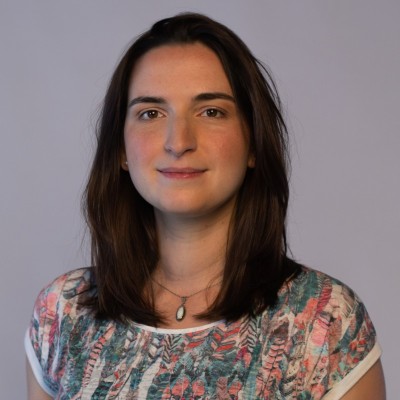
CTO & Co-Founder, Digit Soil
I’m a soil scientist turned founder. I started Digit Soil because I was tired of seeing brilliant biological research get stuck in laboratories while farmers were left waiting weeks for data that was already outdated.
My mission is to drop the jargon and provide the "biological ground truth" that agriculture actually needs. Whether I’m sampling 200 fields to validate our enzymatic models, building hardware prototypes in Switzerland, or pitching to tractor companies, my focus is always the same: making soil health actionable. I believe that if we can measure the soil’s nutrient release potential in 40 minutes instead of 40 days, we can finally close the loop on precision fertilization and climate protection.
Originally from Poland and now based in Zurich, I’m dedicated to building a network where technology actually serves the practitioner. If you’re looking for someone who can talk high-level biochemistry and then jump into a car with a power generator to run real-time field trials, that’s me. Let’s stop guessing and start measuring.
PhD in Soil Science - ETH Zurich (Switzerland)
Masters in Biotechnology - Jagiellonian University in Krakow (Poland)
Projects: AI4SoilHealth, OptiFert, BodenPulse, GreenGrowth and more.
- Measure soil enzymatic activity (right here in the room) and learn why you should do it more.
Spyridon E. Detsikas is a researcher at the Department of Geography of Harokopio University of Athens, Greece, with expertise in geoinformatics, remote sensing, environmental monitoring, and Earth Observation applications. His research focuses on the integration of satellite, UAV, and in-situ data for environmental assessment, natural resource management, climate change adaptation, and sustainable development.
- Kopaida Regional Soil Spectral Library: Advancing Soil Property Monitoring through Spectroscopy
Dr. Srimathie Indraratne is an Assistant Professor in the Department of Environmental Studies and Sciences at the University of Winnipeg. Her research focuses on soil and water quality, contaminant remediation, trace metal dynamics, and sustainable soil management. She investigates the use of biochar, soil amendments, and phytoremediation approaches to reduce environmental risks associated with contaminated soils and waters.
- Selecting Phytoremediation Strategies for Acidic Boreal Forest Soils: A Comparison of Chelator-Assisted Phytoextraction and Biochar-Assisted Phytostabilization Across Contamination Levels

Dr. Suzie Haryanti Husain is a Soil Health Expert, Agronomist, and soil governance strategist specializing in tropical soil systems, regenerative agriculture, and AI-enabled soil intelligence. She is the Founder of SHE Intelligence™ and developer of the SHE™ Soil Intelligence Framework, Soil Intelligence Pyramid, and 5-Sensor Model for adaptive soil health assessment and governance.
Her work focuses on integrating soil chemistry, biology, hydrology, ESG systems, and governance frameworks into operational soil-health strategies for agriculture and land management. She has extensive experience in tropical acid soils, aluminium toxicity, soil resilience, plantation agronomy, and sustainable agricultural systems across Southeast Asia.
Dr. Suzie works with industry, institutions, and agricultural stakeholders on soil-health monitoring, regenerative agriculture implementation, sustainability systems, and governance-oriented soil intelligence approaches for the Global South.
- From Soil Monitoring to Soil Intelligence: Building Governance-Ready AI Systems for Tropical Agricultural Landscapes

Thaïsa van der Woude is a project manager at ISRIC, focusing on developing information systems, including user needs assessments. Her work includes managing projects such as the African Union Soil Observatory (AUSO), SoilWise, and Soil Information System Technology (SIStech). In addition, Thaïsa supports the ISRIC team in project proposal development, facilitating workshops and strengthening external relations and partnerships. Thaïsa holds a BSc in Applied Earth Science from Delft University of Technology (TU Delft), the Netherlands, and an MSc in Applied Geophysics from TU Delft, the Netherlands, and ETH Zürich, Switzerland. She is working in Latin America, Europe, and Africa with acknowledged institutions such as FARA, CABI, JRC, FAO, ILRI, KALRO, ILVO, and Masaryk University.
- Building African Union Soil oservatory

Researcher at the department of Physical Geography, Stockholm University with an interest in system science and AI based modeling applied to environmental studies. Coordinated the AI4SH in-situ data sampling methods and the development of databases and modeling tools for predicting soil health from different methods ranging from layperson to laboratory grade methods and instruments.
- Understanding soil health from hierarchical and thermodynamic perspectives
- UAV-Based Hyperspectral SOC Mapping Using a Tunable Fabry-Pérot Imager and Machine Learning
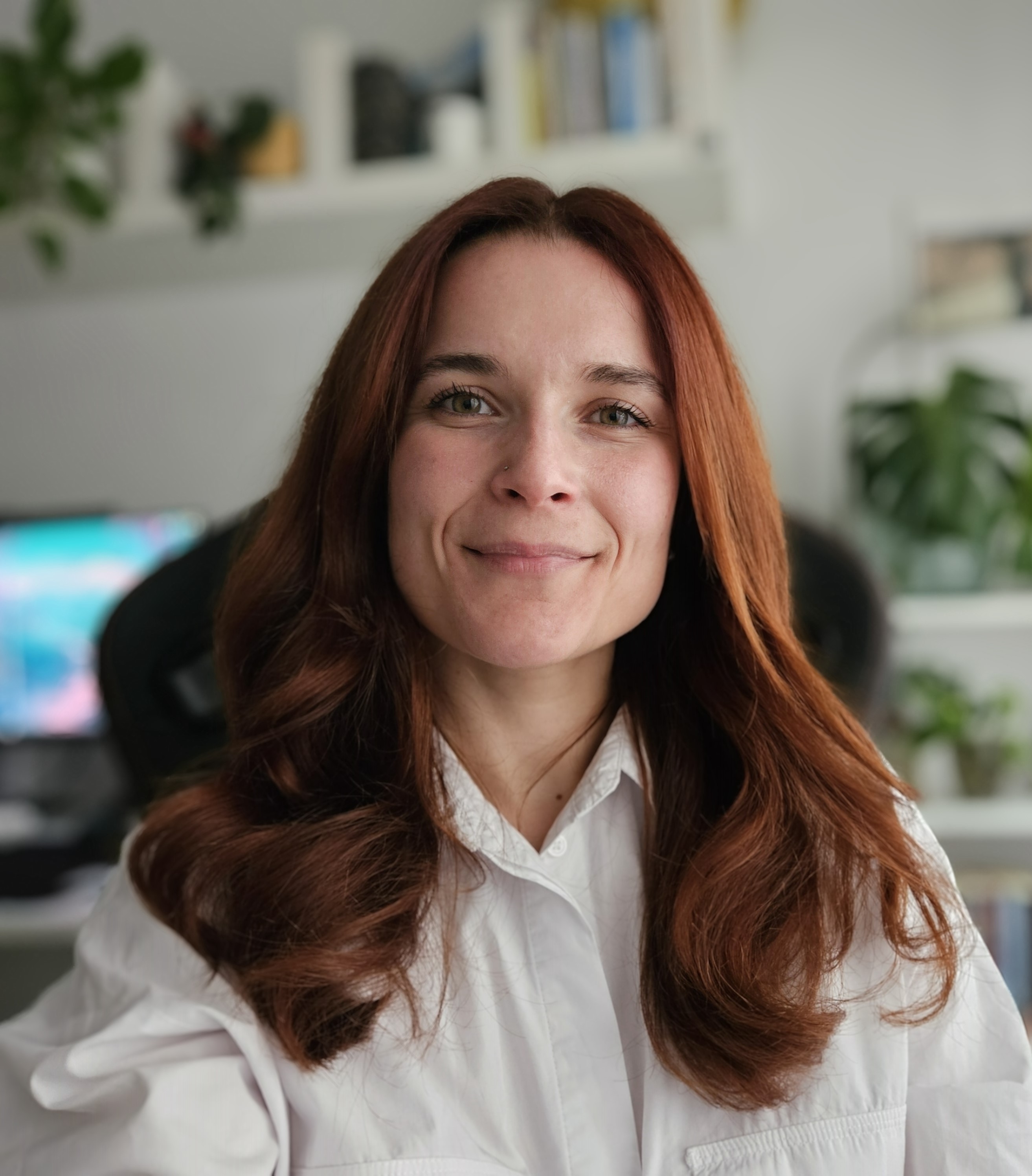
Vera Proskynitopoulou is a research chemist specialising in waste management, circular economy and sustainability. Her work focuses on the development and implementation of European and national research projects exploring the valorisation of organic residues, food-processing by-products and bio-based waste streams.
She has contributed to projects addressing nutrient and water recycling from organic wastes, soil improver development, soil health monitoring and living lab approaches in agricultural systems. Her activities involve the integration of scientific, technical and stakeholder knowledge to support the transition towards more resource-efficient and circular farming systems. Through her involvement in Waste4Soil and related initiatives, she supports the translation of research outcomes into practical solutions for improving soil quality, enhancing nutrient use efficiency and promoting sustainable crop production.
- Food processing residues as circular soil improvers for soil health

I am an Environmental scientist, modeler and data specialist with several years of experience in soil microorganisms, soil carbon assessment and climate change mitigation. Proven track record in pathogen deactivation modelling, organic waste management, soil carbon modeling, environmental data analysis, and developing models to monitor and improve soil health, food safety and food security. Strong expertise in applying environmental models (ECOSSE, DNDC) to simulate soil carbon sequestration. Passionate about leveraging scientific research for sustainable agriculture, food safety, food security, forestry, agroforestry and climate adaptation
- Evaluation of New Metrics for the selection of soil health indicators
After 20 years as researcher in engineering, I started working on Participatory-Action Research, involving the quadruple helix of innovation in the participatory devices I build with other actors.
Nature Based Solutions and Farmers Knowledge are the main drivers of innovation for sustainability, that I'm counting on. Designing and facilitating co-creation workshops with this focus allows a robust co-construction of knowledge.
- Can Biological Indicators Capture Soil Health Differences Across Farming Systems? Evidence from 135 Samples in the French Living Lab
- From Funding Individual Projects to Building a Territorial Innovation Portfolio: Lessons from 25 Experimental Sites in the French Landes Living Lab
Dr. Wannes De Man works as a researcher at the Flanders Research Institute for Agriculture, Fisheries and Food (ILVO), where he contributes to and coordinates Horizon Europe projects on data-driven innovation in the agri-food sector. He has a background in food science, NMR spectroscopy, and international project management, and holds a PhD in Bioscience Engineering.
Within his team at ILVO, Wannes works at the intersection of climate, soil, and digital innovation, focusing on how data-driven tools and user-centred services can support the transition towards more sustainable agrifood systems in Flanders and across Europe. Through the SoilWise project, he coordinates efforts to build a European Soil Health Data Space and to make FAIR soil data more accessible and useful for science, policy, and practice.
- UAV-Based Hyperspectral SOC Mapping Using a Tunable Fabry-Pérot Imager and Machine Learning
- SoilWise project: the journey of a FAIR metadata record from publication to reusability
- Make your soil data or knowledge record findable: a hands-on SoilWise publishing workshop
- SoilWise - Advancing a fair data and knowledge infrastructure for healthier soils in Europe